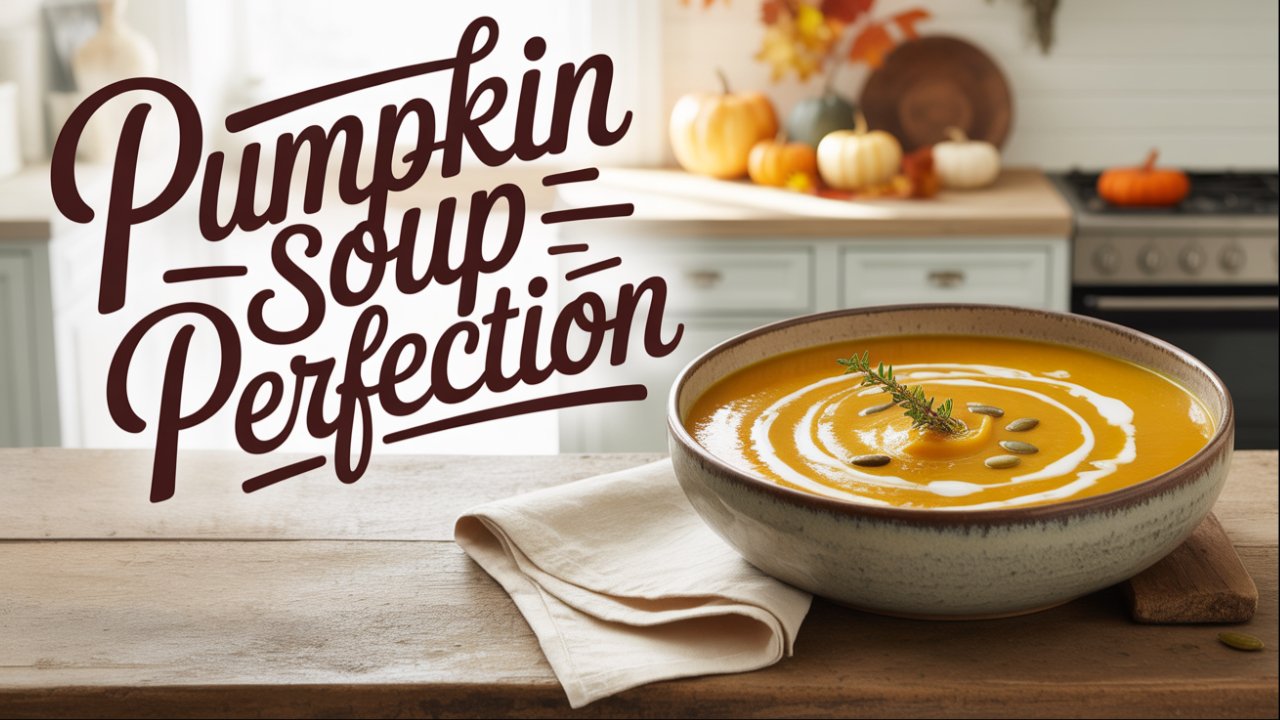
Thai-Inspired Creamy Pumpkin Soup with Coconut Milk and Butternut Squash
This is not your average fall pumpkin soup.
It’s silky, rich, and full of flavor, somewhere between a cozy roasted butternut squash soup and a bowl of Thai coconut soup (Tom Kha). The sweetness of pumpkin-y butternut squash, the gentle earthiness of carrot and zucchini, the fragrance of ginger and citrus, and the creaminess of coconut all come together in one pot.
Ingredients
- 2 tablespoons neutral oil avocado, canola, or light olive oil
- 1 large yellow onion chopped
- 2 medium carrots peeled and sliced
- 1 medium zucchini sliced into half-moons
- 3 –4 cups diced butternut squash about 1 medium squash, peeled and cubed
- 3 cloves garlic minced
- 2 tbsp fresh ginger finely grated
- Juice of 1 lime or additional lemon juice to taste
- 3 tbsp soy sauce
- ½ teaspoon ground turmeric optional, for color and warmth
- Kosher salt and freshly ground black pepper to taste
- 4 cups chicken broth or vegetable broth to make it vegetarian/vegan
- 1 can 13.5–14 oz coconut cream or full-fat coconut milk
Instructions
- Prep the vegetables
- Take a few minutes to get everything ready; once the pot is on the stove, this soup flows quickly.
- Peel the butternut squash, cut it in half, remove the seeds, and dice the flesh into small cubes (about ½–¾ inch).
- Peel and slice the carrots.
- Slice the zucchini into half-moons.
- Chop the onion.
- Mince the garlic and grate the ginger.
- From the lemon, use a vegetable peeler to remove 3–4 wide strips of peel (just the yellow skin, avoiding too much white pith). Set the peel aside; you’ll use it while the soup simmers.
- Heat a large heavy-bottomed pot or Dutch oven over medium heat.
- Add the oil to the pot.
- Stir in the onion and a pinch of salt. Cook, stirring occasionally, until the onion is soft and translucent, about 5–7 minutes. You’re looking for gentle sweetness, not browning.
- Add the carrots and zucchini. Cook for another 3–4 minutes, until they just begin to soften.
- Stir in the garlic and ginger. Cook for about 1 minute, until fragrant.
- At this point, the kitchen should smell like a mix of roasted vegetables, ginger, and light spice—this is the foundation of your Thai-inspired pumpkin soup.
- Add the squash, lemon peel, and broth
- Add the butternut squash cubes to the pot. Stir to coat them in the aromatic mixture.
- Pour in the chicken broth.
- Drop in the lemon peel strips.
- Bring the soup up to a gentle boil over medium-high heat, then immediately reduce the heat to a steady simmer.
- Simmer for 20–25 minutes, or until the butternut squash and carrots are very tender. When you poke a piece of squash with a fork, it should slide right through.
- The lemon peel quietly infuses the broth while it simmers, giving you that bright, citrusy note that would usually come from lemongrass in a traditional Tom Kha-style soup.
- Season and adjust before blending
- Once the vegetables are soft:
- Turn off the heat.
- With tongs or a spoon, carefully remove the lemon peel strips and discard them.
- Stir in 2 tablespoons of soy sauce, plus the turmeric and cumin (if using).
- Taste the broth—it should already be flavorful, a little sweet from the squash, with a savory backbone from the soy sauce and the aromatics. If it tastes flat, add another splash of soy sauce or a pinch of salt.
- Remember that you’re about to add coconut cream, which will soften the flavors a bit, so it’s okay if the broth tastes slightly more intense at this stage.
- Blend until creamy and smooth
- Now it’s time to transform this chunky pot of vegetables into a silky, creamy pumpkin soup. You have two good options:
- Option 1 – Immersion Blender (easiest):
- Use an immersion blender to blend the soup directly in the pot. Move the blender around slowly until the soup is completely smooth and velvety.
- Option 2 – Countertop Blender (smoothest):
- Carefully ladle the soup into a blender in batches, filling it no more than halfway each time.
- Remove the center cap of the lid and cover with a kitchen towel to let steam escape.
- Blend until very smooth, then pour the soup back into the pot.
- If the soup is extremely thick at this stage, don’t worry; the coconut cream will loosen it slightly. You can always thin it later with a bit more broth or water.
- Stir in the coconut cream
- Place the pot back over low heat.
- Pour in the coconut cream (or full-fat coconut milk), stirring as you go.
- Warm the soup gently, stirring occasionally, for about 5 minutes. Avoid a rolling boil—too much heat can cause the coconut to separate.
- Taste again:
- If you want more umami, add another teaspoon or so of soy sauce.
- If you want more spice, stir in a bit more curry paste or a pinch of chili flakes.
- At this point, the soup should have a gorgeous golden color and a rich, creamy texture that coats the back of a spoon.
- Brighten with citrus and finish
- Right before serving, turn off the heat and add the citrus juice.
- Start with the juice of 1 lime. If you prefer, or if you don’t have lime, use lemon juice instead (start with 2–3 teaspoons, then adjust).
- Stir well and taste:
- If it needs more brightness, add a little more lime or lemon juice.
- If it needs salt, add a splash of soy sauce or a pinch of kosher salt.
- If it’s too thick, stir in a bit of hot water or broth until you reach your ideal consistency.
- This final citrus step is what turns a rich, creamy soup into something lively and balanced—very much in the spirit of Tom Kha soup, but with pumpkin and butternut squash in the spotlight.
- Ladle the hot soup into bowls. For a restaurant-style presentation:
- Drizzle a little coconut cream on top and swirl it with the tip of a knife.
- Sprinkle with chopped cilantro or Thai basil.
- Add a few slices of green onion.
- Top with crushed peanuts or cashews for crunch.
- Finish with a pinch of red chili flakes or a few drops of chili oil if you like heat.
- Serve with warm crusty bread, naan, or jasmine rice. This is the kind of fall soup recipe that feels comforting enough for a weeknight but impressive enough for guests.
Notes
Why This Pumpkin Coconut Soup Works
- Butternut squash = reliable “pumpkin” flavor. Fresh pumpkin can be inconsistent; butternut squash gives you sweet, smooth, silky flesh every time.
- Thai-inspired without being fussy. You get the coconut, ginger, citrus, and optional curry paste of Thai coconut soup, but with ingredients easy to find in most American supermarkets.
- Naturally gluten-free and dairy-free. As long as your soy sauce and curry paste are gluten-free, this is a great option for a wide range of diets.
- Perfect for meal prep. This healthy pumpkin soup recipe keeps well in the fridge and tastes even better the next day.
Substitutions & Variations
- Vegetarian / Vegan: Use vegetable broth instead of chicken broth, and make sure your curry paste is free of fish sauce or shrimp paste.
- No curry paste: Skip it and rely on garlic, ginger, turmeric, and soy sauce. You’ll still have a flavorful, cozy pumpkin coconut soup, just a little less “Thai.”
- More protein: Add cooked shredded chicken, tofu cubes, or chickpeas after blending and bring the soup back up to a gentle simmer.
- Extra veggies: Spinach or kale can be stirred in at the very end until just wilted.
Storage, Reheating & Freezing
- Refrigerator: Let the soup cool, then transfer it to an airtight container. It will keep 4–5 days in the fridge.
- Reheating: Warm gently over low to medium-low heat, stirring occasionally. Add a splash of broth or water if it has thickened. Taste and refresh with a squeeze of citrus and a pinch of salt before serving.
- Freezer: This soup freezes well. Store in freezer-safe containers with a little room for expansion, and freeze for up to 3 months. Thaw overnight in the fridge, then reheat gently.
FAQ
Can I use canned pumpkin instead of fresh butternut squash? Yes. For a faster easy pumpkin soup, replace the butternut squash with 2 cans (15 oz each) of pumpkin puree. Add the puree after you sauté the vegetables, then stir in the broth and lemon peel and simmer for 10–15 minutes before blending. Is this soup spicy? On its own, it has a gentle warmth from ginger and optional turmeric. The red curry paste or chili paste adds heat; you can start with a small amount and adjust to taste, or leave it out for a mild, family-friendly version. Can I skip the lemon peel? The lemon peel gives the soup a subtle citrus aroma that echoes the flavor of lemongrass in Thai soups. If you skip it, the soup will still be delicious, but you’ll miss that extra layer. At minimum, keep the citrus juice at the end.This Thai-inspired creamy pumpkin soup with coconut milk, butternut squash, and lemon is exactly the kind of recipe Eatstars.com readers can bookmark for fall and come back to all season: easy enough for a weeknight, special enough for a gathering, and packed with flavor in every spoonful.